A suicide attack is a meticulously planned act of violence that aims for maximum destruction and psychological impact, with the attacker fully aware that they will sacrifice their own life in the process. This form of violence, while often linked to contemporary terrorism, has deep historical roots, having appeared in various forms of warfare over the centuries. One notable example includes the Japanese kamikaze pilots during World War II, who used their aircraft as lethal weapons with the knowledge that they would not return. Trends and Recent DevelopmentsWhile the occurrence of suicide attacks saw a peak in the mid-2000s, the phenomenon continues to pose a significant threat globally, particularly in regions embroiled in conflict. Recent incidents from 2025 to 2026 provide a stark reminder of this ongoing danger.Recent Events (2025-2026):
✓ Algeria (April 2026): A tragic double suicide attack took place in Blida on April 13, during a scheduled papal visit. Initial reports were met with some uncertainty, and official confirmations were delayed as international bodies sought further details.
✓ Nigeria (March 2026): In Maiduguri, suspected suicide attacks in crowded public spaces resulted in the tragic loss of at least 23 lives.
✓ Pakistan (November 2025): Two suicide bombers targeted a security force headquarters in northwestern Pakistan, leading to the deaths of three officers.
✓ Regional Hotspots: Countries like Afghanistan, Somalia, Iraq, and Nigeria remain at the forefront of this crisis. Disturbingly, in 2021, it was recorded that approximately 65% of all global civilian casualties from suicide attacks were concentrated in Afghanistan.
Tactics and Techniques Employed
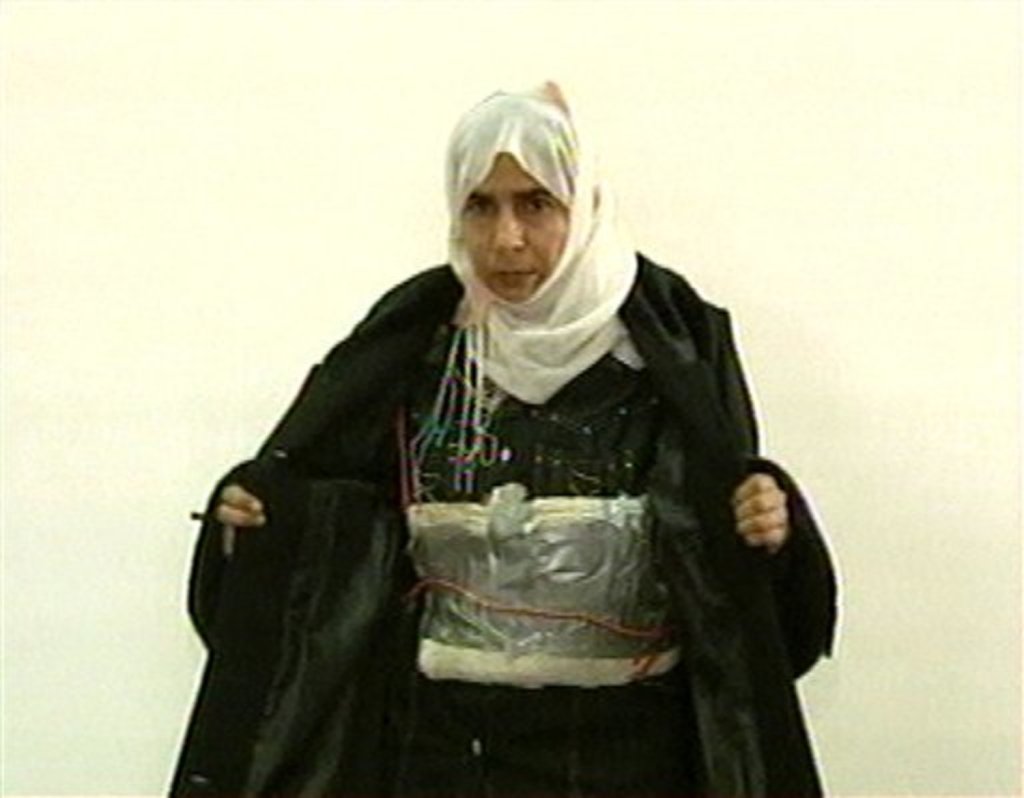
✓ Personal Improvised Explosive Devices (IEDs): One of the most prevalent methods involves the use of suicide vests or belts, which are filled with explosives and sharp objects like ball bearings intended to cause maximum casualties in densely populated areas.
✓ Vehicle-Borne Improvised Explosive Devices (VBIEDs): In these attacks, perpetrators typically drive vehicles loaded with explosives directly into their intended targets, causing widespread devastation.
✓ Non-Standard Delivery Methods: Throughout history, a variety of unconventional platforms have been used, including commercial aircraft during the 9/11 attacks and even submarines or “human torpedoes” as more extreme measures.
✓ Female Suicide Bombers: Certain groups have recruited women for suicide missions specifically to exploit cultural norms that may restrict male security personnel from thoroughly searching women, allowing them to bypass checkpoints more easily.
Understanding the Motivations Behind Suicide Attacks
Experts categorize the motivations behind these attacks at several distinct levels, each playing a role in the complex landscape of why individuals resort to such extreme measures.
✓ Strategic: Weaker factions may resort to suicide attacks as a calculated military strategy, hoping to coerce stronger adversaries into retreating or altering their actions.
✓ Social and Cultural: In some communities, there exists a glorification of martyrdom, which bestows a high status on the attackers while providing financial support to their families after their death.
✓ Personal: The influences prompting these individuals can range from deeply felt personal grievances, a desire for revenge against perceived wrongs, or strong religious beliefs that promise rewards in the afterlife for such actions.
To gain further insights and verify data related to this phenomenon, organizations like the [Chicago Project on Security and Threats (CPOST)](https://cpost.uchicago.edu/research/suicide_attacks/database_on_suicide_attacks/) and [Action on Armed Violence (AOAV)](https://aoav.org.uk/) maintain extensive databases that track incidents worldwide.
Research into the mindset of those who conduct suicide attacks suggests that many do not suffer from mental illness in a conventional sense. Instead, their motivations generally arise from a potent mix of emotional turmoil, social indoctrination, and a sense of obligation to political or religious causes.
Key Psychological Drivers
✓ Perceived Injustice and Humiliation:
A significant number of attackers are fueled by a profound sense of “national humiliation,” viewing their violent acts as a means of avenging their community’s suffering or oppression.
✓ Absence of Psychopathology: Most researchers agree that suicide attackers are often psychologically stable within their ideological frameworks. In fact, terrorist organizations tend to carefully screen candidates, selecting individuals who display strong convictions while excluding those who might exhibit unstable mental health, as such individuals are often seen as less reliable for executing complex operations.
✓ Altruistic Intent: Attackers frequently perceive their actions as a selfless sacrifice for a “greater cause”—be it religious or political—viewing their mortality as a pathway to martyrdom and a means of bringing about redemption for their societies.
✓ Group Dynamics: Individual choices are frequently overshadowed by group loyalty. Deep connections within radicalized social networks can compel individuals to see their personal sacrifice as an essential duty to their peers or “in-group.”
Common Personality Traits
While it is crucial to recognize that there is no single, definitive profile of a suicide attacker, some studies of individuals who either attempted to carry out bombings or were apprehended beforehand have identified specific traits that appear frequently:
✓ Difficulty in Coping with Stress: Many exhibit an inability to manage extreme stress or find alternatives to violent actions.
✓ Social Isolation: A pronounced sense of alienation or failure within society is often noted, particularly among some female attackers.
✓ Rigid Thinking Patterns: A prevalent trait is a propensity for concrete, “black-and-white” perspectives that allow little room for nuanced moral reasoning.
✓ Fear and Hesitation: Contrary to common stereotypes, many attackers grapple with significant fear and hesitation leading up to their mission, and instances of technical failures or other obstacles can offer them a psychological “out,” allowing them to abandon their plans without stigma.
Group-Specific Motivations
Motivation Description
✓ Personal Revenge.Many attackers are motivated by the trauma of losing loved ones or their personal suffering (for instance, the “Black Widows” in Chechnya).
✓ Nationalism : A strong drive to resist perceived foreign occupation or to advocate for self-determination fuels their actions.
✓ Religious Martyrdom Some seek spiritual rewards or assurance of entrance into paradise, often propelled by radical and distorted interpretations of their faith.
✓ Material Incentives Promises of financial support or elevated social status for the families of attackers are common motivations. In summarizing the complex motivations and backgrounds of suicide attackers, it becomes evident that their decisions are shaped not only by personal experiences but also by a broader network of sociopolitical and cultural influences.
Understanding these dynamics offers crucial insights for addressing this persistently troubling phenomenon in contemporary society.
 Real Mind
Leave a comment